
Safe Chicken Washing Tips: A Step-by-Step Guide
- Mar 30
- 4 min read
When it comes to preparing chicken, safety is always my top priority. Many people wonder if washing chicken is necessary or even safe. I’ve learned that handling raw chicken properly can make a big difference in preventing foodborne illnesses. In this guide, I’ll walk you through everything you need to know about washing chicken safely, including practical tips and science-backed advice. Let’s dive in!
Understanding Safe Chicken Washing Tips
Before we get into the steps, it’s important to understand why safe chicken washing tips matter. Raw chicken can carry harmful bacteria like Salmonella and Campylobacter. These bacteria can cause serious illness if they spread to other foods or surfaces in your kitchen.
Many people think rinsing chicken under water removes these bacteria. However, this can actually spread bacteria around your sink and countertops through splashing. That’s why it’s crucial to follow safe practices when handling chicken.
Here are some key safe chicken washing tips to keep in mind:
Avoid washing chicken under running water to prevent cross-contamination.
Use separate cutting boards and utensils for raw chicken.
Clean and disinfect all surfaces that come into contact with raw chicken.
Cook chicken thoroughly to kill any bacteria present.
By following these tips, you can reduce the risk of contamination and keep your kitchen safe.
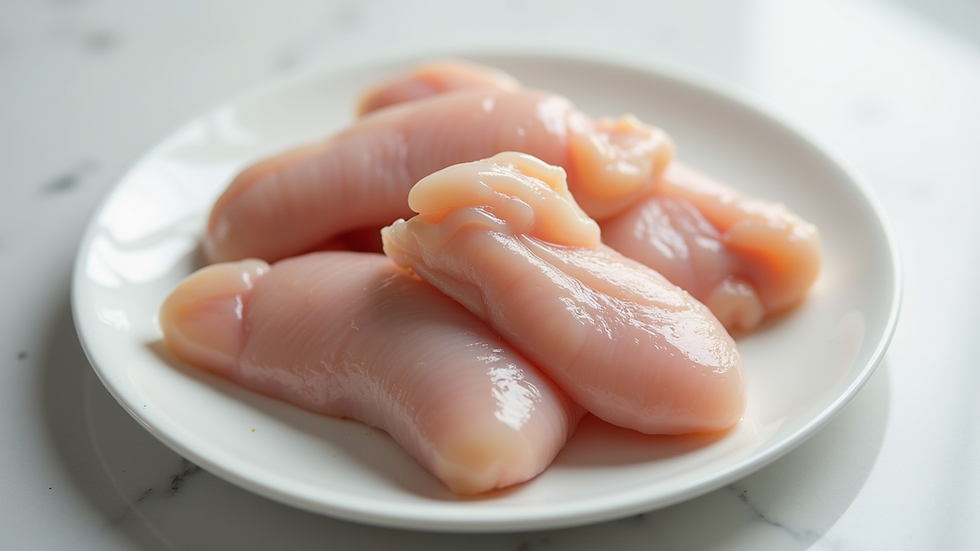
How to Wash Chicken Safely: Step-by-Step
If you decide to wash chicken, it’s essential to do it the right way. Here’s a step-by-step guide on how to wash chicken safely:
Prepare your workspace
Clear your sink and surrounding area. Remove any dishes or utensils that could get contaminated.
Use a clean bowl or container
Instead of rinsing chicken directly under running water, place the chicken in a large bowl or container.
Fill the bowl with cold water
Submerge the chicken pieces in cold water. Gently swish the chicken around to loosen any surface dirt or residue.
Change the water if needed
If the water becomes cloudy, drain it and refill with fresh cold water. Repeat this process once or twice.
Drain and pat dry
Remove the chicken from the water and place it on a clean plate or tray. Use paper towels to pat the chicken dry. This helps remove excess moisture and reduces splashing.
Clean and disinfect
Thoroughly clean your sink, bowl, and any surfaces that came into contact with the chicken or water. Use a disinfectant or a solution of bleach and water.
Wash your hands
Always wash your hands with soap and warm water for at least 20 seconds after handling raw chicken.
Following these steps helps minimise the risk of spreading bacteria while still allowing you to clean your chicken if you prefer.
Is There a Safe Way to Wash Chicken?
You might be wondering, “Is there a safe way to wash chicken at all?” The short answer is yes, but with caution. Many food safety experts actually recommend skipping washing chicken altogether. Cooking chicken to the right temperature (75°C or 165°F) kills harmful bacteria effectively.
However, if you feel the need to wash chicken, the method I described above is the safest approach. Avoid splashing water around, and always clean your kitchen thoroughly afterwards.
Remember, washing chicken under running water can cause bacteria to spread up to 50cm around your sink area. This cross-contamination is a common cause of food poisoning.
So, the safest option is to skip washing and focus on proper cooking and hygiene. But if you do wash, do it carefully and clean up well.

Additional Tips for Handling Chicken Safely
Beyond washing, there are other important steps to keep chicken preparation safe and hygienic:
Store chicken properly
Keep raw chicken in the coldest part of your fridge, ideally below 4°C. Use it within 1-2 days or freeze it for longer storage.
Avoid cross-contamination
Use separate chopping boards for raw meat and other foods like vegetables. Wash utensils and surfaces immediately after use.
Cook chicken thoroughly
Use a food thermometer to check that the internal temperature reaches at least 75°C. This ensures all bacteria are killed.
Use disposable paper towels
When drying chicken or cleaning spills, paper towels are better than cloths because they can be discarded immediately.
Wash your hands frequently
Always wash your hands before and after handling raw chicken to prevent spreading bacteria.
By combining these tips with safe washing practices, you can protect yourself and your family from foodborne illnesses.
Why Proper Hygiene Matters in Chicken Preparation
Food safety is not just about avoiding illness - it’s about creating a healthy environment in your kitchen. Proper hygiene when handling chicken supports overall wellness and reduces waste by preventing spoilage.
At Green Pyramid Biotech, we believe in science-backed hygiene solutions that protect your health and the environment. Using biosafe cleaning products and following safe chicken washing tips helps you maintain a clean kitchen without harsh chemicals.
Remember, the goal is to keep your food safe and your kitchen hygienic with minimal environmental impact. Small habits like washing hands, cleaning surfaces, and cooking chicken properly make a big difference.
If you want to learn more about how to wash chicken safely, check out trusted food safety resources for detailed guidelines.
Making Safe Chicken Washing Part of Your Routine
Incorporating safe chicken washing tips into your cooking routine doesn’t have to be complicated. Here’s a quick checklist to help you stay on track:
Prepare your workspace before handling chicken.
Use a bowl for washing instead of running water.
Change water if it gets cloudy.
Pat chicken dry with paper towels.
Clean and disinfect all surfaces after washing.
Wash your hands thoroughly.
Cook chicken to the right temperature.
Store chicken properly in the fridge or freezer.
By following these steps consistently, you’ll reduce the risk of contamination and enjoy your meals with peace of mind.
Safe chicken handling is a simple but powerful way to protect your health. It’s all about being mindful and taking small, effective actions every time you cook.
I hope this guide helps you feel confident about preparing chicken safely. Remember, the best way to keep your kitchen safe is to combine good hygiene with proper cooking. Stay safe and enjoy your delicious meals!

Comments